In an industry defined by innovation, sustainability, and operational precision, airlines are increasingly shaping the future of aerospace through bold strategies and forward-thinking investments. One carrier that continues to stand out is Air New Zealand, a company widely recognized for its progressive approach to fleet modernization, sustainability, and passenger experience.
As global aviation evolves, Air New Zealand’s vision for the future offers valuable insight into where the industry is headed and what it means for aerospace suppliers, manufacturers, and MRO (Maintenance, Repair, and Overhaul) providers.
From Flying Local Down Under to Around the Globe: Air New Zealand
Founded in 1940 as Tasman Empire Airways Limited (TEAL), Air New Zealand began as a joint venture between the governments of New Zealand, Australia, and the United Kingdom. Initially focused on trans-Tasman routes between New Zealand and Australia, the airline played a critical role in connecting the region during the early years of commercial aviation.
Then, in 1965, the New Zealand government assumed full ownership, and the airline was officially rebranded as Air New Zealand. Over the following decades, it expanded its international reach, modernized its fleet, and built a global reputation for innovation, safety, and customer experience, laying the foundation for the innovative airline it is today.
A Forward-Thinking Airline in a Changing Industry
The aerospace sector is undergoing rapid transformation. Pressures to reduce emissions, improve efficiency, and enhance reliability are pushing airlines to rethink everything from aircraft design to maintenance strategies.
Air New Zealand has embraced this challenge by investing in:
- Next-generation aircraft
- Sustainable aviation technologies
- Digital transformation initiatives
- Advanced maintenance and operational systems
Rather than reacting to change, the airline is helping define it.
For example, a recent article reported that,
“Air New Zealand has completed a high profile digital identity trial on its Auckland Hong Kong route, positioning the carrier at the forefront of airlines experimenting with app based, biometric travel experiences designed to reduce repeated passport checks.”
Commitment to Sustainability and Net-Zero Goals
One of the most significant pillars of Air New Zealand’s future vision is sustainability. Like many global carriers, the airline is working toward ambitious emissions reduction targets aligned with broader industry goals.
Key initiatives include its commitment to net-zero carbon emissions by 2050, investment in sustainable aviation fuel (SAF), and exploration of hydrogen and electric aircraft technologies. In addition, they have prioritized participation in global sustainability partnerships.
Air New Zealand has also been involved in evaluating next-generation propulsion systems, positioning itself as an early adopter of cleaner aviation technologies.
What This Means for Aerospace Suppliers
As airlines push toward sustainability, demand is increasing for:
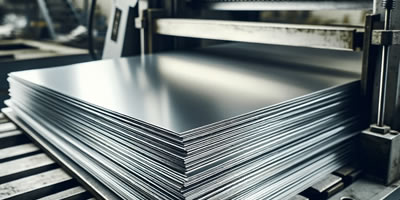
- Lightweight materials such as aerospace-grade aluminum and titanium
- Components that improve fuel efficiency and structural performance
- Manufacturing processes that reduce waste and environmental impact
Suppliers who can deliver high-performance materials and support evolving aircraft designs will play a critical role in this transition.
Fleet Modernization and Next-Generation Aircraft
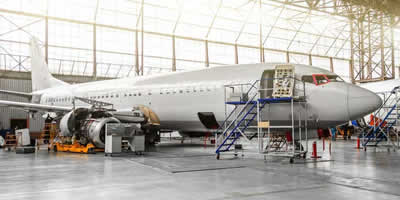
Fleet renewal is another cornerstone of Air New Zealand’s strategy. The airline continues to invest in modern aircraft that offer improved fuel efficiency, lower emissions, and enhanced passenger comfort.
This includes upgrading long-haul fleets with more efficient widebody aircraft and evaluating next generation narrowbody options, along with integrating advanced avionics and materials into newer platforms.
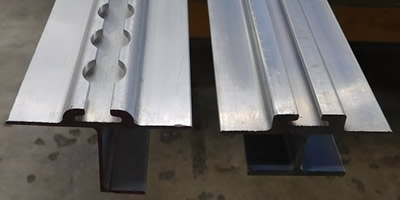
Modern aircraft rely heavily on advanced structural components, including precision-engineered stringers and lightweight alloys that improve durability while reducing overall weight.
Implications for Manufacturing and MRO
New aircraft platforms require, among other things, highly specialized materials and components. They also require strict adherence to evolving certification standards and advanced maintenance capabilities.
For MRO providers, this means adapting to new technologies while maintaining legacy fleets—creating demand for both innovation and reliability in supply chains.
Digital Transformation and Smart Operations
Air New Zealand is also investing heavily in digital transformation, using data and technology to improve operational efficiency and customer experience.
This includes:
- Predictive maintenance systems powered by data analytics
- Real-time operational monitoring
- Enhanced supply chain visibility
- Digital tools for maintenance planning and execution
These innovations allow the airline to anticipate maintenance needs, reduce downtime, and optimize aircraft availability.
The Role of Data in Maintenance and AOG Response
For aerospace suppliers, digital transformation is reshaping expectations around several elements. These include speed and accuracy of part delivery, real-time inventory visibility, and integration with airline maintenance systems.
In Aircraft on Ground (AOG) scenarios, rapid response is critical. Suppliers who can align with digital workflows and provide immediate access to certified components gain a significant competitive advantage.
Innovation in Regional and Sustainable Flight
As part of its long-term vision, Air New Zealand is actively exploring new approaches to regional air travel, including partnerships to develop electric and hybrid aircraft.
These efforts aim to:
- Reduce emissions on short-haul routes
- Lower operating costs
- Expand connectivity to remote regions
Such innovations could reshape regional aviation, creating new opportunities for component manufacturers and maintenance providers.
Opportunities for Aerospace Materials and Components
Emerging aircraft technologies require advanced materials with high strength-to-weight ratios and components capable of withstanding new propulsion systems. In addition, there is an increasing need for custom-engineered parts for evolving aircraft designs.
Suppliers with expertise in aluminum – especially those offering custom roll forming – are well-positioned to support these developments.
Supply Chain Resilience and Global Partnerships Beyond the Southern Hemisphere
The challenges of recent years have highlighted the importance of resilient aerospace supply chains. Air New Zealand has emphasized the need for reliable partners who can deliver consistent quality and rapid support.
Key priorities include diversified sourcing strategies, strong relationships with trusted suppliers, and improved logistics and inventory management.
What Airlines Expect from Suppliers
Today’s aerospace suppliers must deliver more than just parts. Airlines like Air New Zealand expect:
- Certified, traceable materials
- Fast turnaround times especially for AOG needs
- Engineering support for custom or legacy components
- Consistent quality across global operations
Reliability and responsiveness are no longer optional. They are essential.
Lessons for the Broader Aerospace Industry
Air New Zealand’s forward-looking strategy reflects broader trends shaping the future of aerospace:
- Sustainability is a driving force behind innovation
- Digital transformation is redefining maintenance and operations
- Advanced materials are enabling next-generation aircraft
- Supply chain agility is critical to maintaining up time
For aerospace manufacturers and MRO providers, aligning with these trends is key to staying competitive in a rapidly evolving market.
Final Thoughts: Supporting the Future of Flight
The vision demonstrated by Air New Zealand highlights the direction of the global aerospace industry – one focused on sustainability, efficiency, and innovation.
For suppliers and service providers, this future presents both challenges and opportunities. Success will depend on the ability to deliver high-quality materials, adapt to new technologies, and respond quickly to operational demands.
AAA Air Support is wholly committed to supporting this future with aerospace-grade aluminum roll form stringers, backed by responsive AOG services and precision manufacturing. As the industry evolves, we remain focused on helping our customers stay ahead by delivering the reliability and performance for modern aerospace demands.
Looking for a trusted partner in aerospace materials and support services? Contact us today to learn how we can help power your operations into the future.